
Pride and Presence: The Rise of Filipino-American Culture
There’s a difference between being in the room and being seen in it.
For decades, Filipino Americans have been very much in the room—shaping industries, supporting communities, influencing culture in quiet but meaningful ways. But now, something is shifting. Filipino identity in the U.S. is stepping out of the background and into full presence. And for marketers paying attention, this isn’t just a cultural moment—it’s a signal.
A signal that visibility, community, and cultural expression are converging in powerful ways.
From Blending In to Standing Out
Filipino Americans have long been characterized by what could be called “quiet assimilation.” Unlike other Asian diasporas, there hasn’t historically been a strong emphasis on highly visible cultural enclaves like Chinatowns or Koreatowns. The integration was real—but often understated.
That’s changing.
Across cities like Los Angeles, New York, Seattle, and Las Vegas, there’s a growing movement to establish official “Filipino Towns”, physical markers of identity that say: we are here, and we’ve been here.
This shift represents something deeper than geography. It’s a cultural transition from integration to visibility. And visibility, in marketing terms, is everything.
When a community claims space—physically or culturally—it creates new touchpoints for brands. New contexts. New narratives. The audience hasn’t suddenly appeared—it’s finally being acknowledged.
Community Is the Platform, Not the Audience
If there’s one thing marketers often misunderstand about Filipino culture, it’s this: it doesn’t center around the individual, it revolves around the collective.
Filipino American life is deeply rooted in community ecosystems: churches, family networks, cultural events, and local businesses. These aren’t just social structures, they are the infrastructure of identity.
As Filipino communities expand geographically across the U.S., they bring these systems with them. Cultural events, entrepreneurship, and local leadership continue to reinforce a shared sense of belonging.
For brands, this changes the approach entirely.
You’re not marketing to a single consumer, you’re entering a network. A recommendation from a trusted community node can carry more weight than any ad campaign. Cultural relevance isn’t achieved through personalization alone, but through participation.
In other words: if you want to show up, you have to show up for the community.
Food Speaks Louder Than Words
Here’s where it gets interesting: Filipino culture didn’t go mainstream through institutions—it went through kitchens.
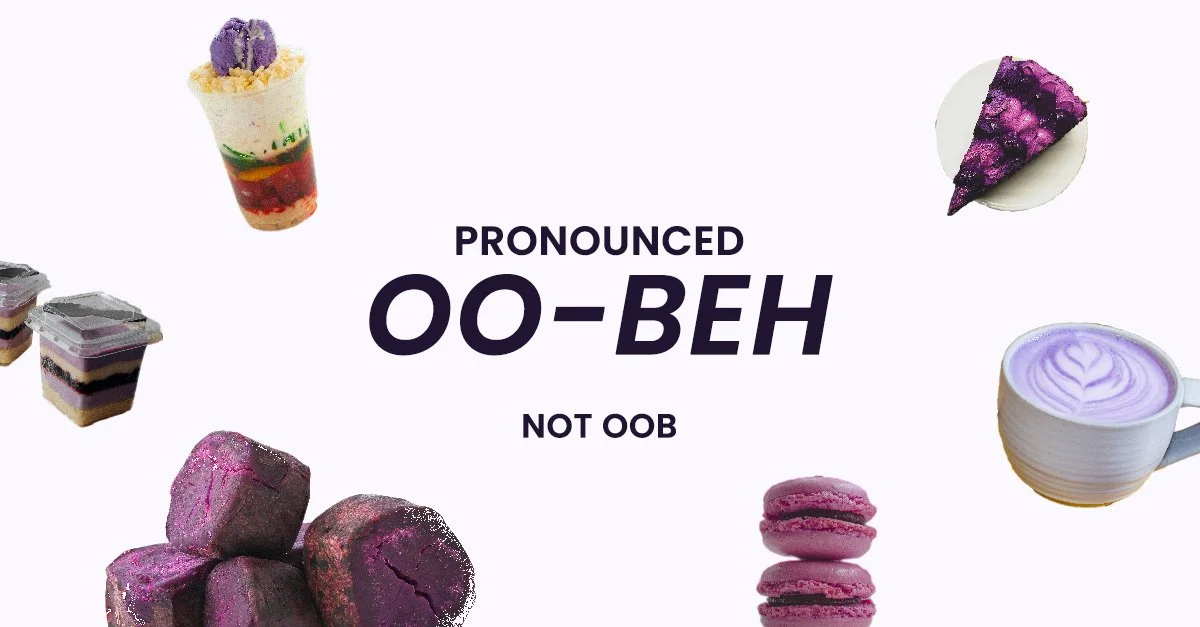
From ube everything to adobo making its way onto menus across major cities, Filipino cuisine has quietly—and now not so quietly—become a cultural entry point for broader American audiences.
Restaurants, grocery stores, and food festivals have made Filipino culture accessible in ways that traditional institutions haven’t. And digital content has accelerated this, turning recipes into storytelling and meals into identity.
Food works because it’s participatory. It invites people in.
For marketers, this is a masterclass in cultural diffusion. You don’t always need a formal platform to build awareness, sometimes you need a sensory experience that people can taste, share, and remix.
The smartest brands aren’t just showcasing Filipino food—they’re collaborating with creators, chefs, and storytellers who live it. They’re understanding that authenticity isn’t a visual—it’s a lived experience.
A New Generation, A New Expression of Pride
Perhaps the most important shift is generational.
Younger Filipino Americans are expressing their identity more openly—and more creatively—than previous generations. What was once inherited quietly is now being celebrated loudly.
Filipino American History Month is gaining visibility. Cultural events like the Independence Day Parade in New York City are drawing massive crowds. And representation across entertainment, sports, and business is fueling a renewed sense of pride.
This isn’t just cultural retention, it’s cultural amplification.
For brands, this signals an evolution from passive audiences to active cultural participants. Identity is no longer something to acknowledge once a year, it’s something people are expressing daily, across platforms, communities, and creative outputs.
And when identity becomes expressive, it becomes influential.
What This Means for Marketing
The rise of Filipino-American culture isn’t a trend, it’s a rebalancing of visibility.
It’s a reminder that some of the most influential cultural groups in America have been operating in plain sight, waiting not to be discovered, but to be understood.
For marketers, the opportunity is clear:
Shift from targeting to engaging: This is a community-first culture.
Lead with authenticity, not aesthetics: Representation without understanding won’t land.
Recognize nontraditional entry points: Food, creators, and local ecosystems matter as much as media.
Invest in long-term cultural participation: Not just seasonal campaigns.
Most importantly, it’s about respect. Not performative inclusion, but meaningful connection.
The Bigger Picture: Why This Rise Matters
The increasing visibility of Filipino-American culture is a good thing, not just for the community, but for culture at large.
It enriches the American cultural landscape. It introduces new perspectives, flavors, and stories. And it challenges brands to move beyond one-dimensional approaches to multicultural marketing.
Because the future of marketing isn’t about speaking louder—it’s about listening better.
And cultures like this are telling us exactly how they want to be seen.
Where Asheria Comes In
At Asheria, we don’t just observe cultural shifts, we help brands move with them.
We understand that multicultural audiences aren’t segments, they’re ecosystems. And connecting with them requires more than surface-level insight. It requires fluency, nuance, and genuine collaboration.
Filipino-American culture is rising in pride and presence. The question is: will your brand rise with it?
We can help you make sure the answer is yes.
Check out how we tap into deep cultural insights to connect brands with new audiences here.