
Doing Things The “Old” Way is The New Way Brands Can Make A Lasting Impact
Have you ever thought that your next pivot might actually be a throwback?
We’re not talking about nostalgia for nostalgia’s sake.
We’re talking timeless human connection, humility, and making a real cultural impact.
Because in an era of hyper-scaled data and AI-powered campaigns…the “old” way of doing things might be your brand’s new secret weapon.
Demographics Demand a New “Old” Lens
Forbes recently covered the rise of the Chief Longevity Officer1 — a role designed to help companies respond to one of the most seismic demographic shifts of our time:
Populations are aging fast. By 2050, people over 60 will outnumber those under 15 globally.
But this isn’t just about serving “older” customers. It's about recognizing that longevity reshapes every aspect of business — how we design products, hire talent, craft experiences, and of course, advertise.
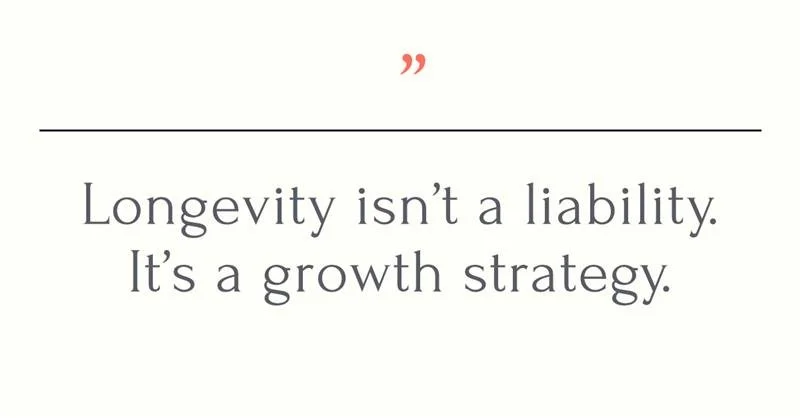
Longevity isn’t a liability. It’s a growth strategy.
This means we have to think long term. Not just “how do we hit this quarter’s KPI.”
So, this obviously requires us to take a step back from all the fancy new AI gizmos and data collection (which all have their place) when crafting strategies and using authentic human voices to connect with this ever-growing audience.
But there’s a bit of a problem on that front…
The Ageism We Whistle Past
In marketing, ageism is the elephant in the boardroom — and we sometimes pretend it isn’t there. Adapt Worldwide’s “The Forgotten Bias”2 warns how too many campaigns still reduce older audiences to stereotypes: dependent, forgetful, or tech-illiterate.
Meanwhile, in industry forums like Reddit’s marketing subreddits, folks over 40 talk about “aging out,” being passed over, or altering their style to appear younger.
One Redditor even said:
“There’s many people in my team who are 40+ but are deliberately dressing to appear younger…I don’t actually know any Gen-Zs who dress like her.”
This is the unfortunate reality. Ignore it at your own risk.
Because the voices the industry has been discarding for far too long are the ones that have the most to say to this growing audience.
How We Do “Old” the New Way
Embrace marathon strategies over short sprints. Longevity means crafting campaigns, stories, and brand culture meant to live a long, healthy and meaningful life — not just going viral.
Be as human as possible. Ask first. Listen. Connect. Don’t just mine data for micro-segments…make these oft-ignored audiences feel truly seen.
Don’t be afraid to lean into imperfection. Modern audiences see through polished facades. Being real is the only path to real results.
Reject age as a filter. Build access, voice, and relevance across life stages. In other words, don’t treat older audiences (or employees) like an afterthought.
Where Do We Come In?
At Asheria, we believe that the brands destined for legacy are the ones who speak to culture, not the ones who chase it. They don’t just broadcast AT people — they converse, evolve, and actually listen to their audiences.
And yeah, that means sometimes downsizing the tech stack, turning off the endless dashboards, and returning to the age-old principles of trust and empathy.
So yes — we’re doing things the “old” way.
It’s not regression. It’s rethinking.
If you’re building for what lasts — not what trends — the old way might just be the smartest new move.
Want to brainstorm how to “rewind forward” in your brand strategy? Let’s talk.
Check out how we tap into deep cultural insights to connect brands with new audiences here.
Citations
Wittenberg-Cox, A. (2025, September 12). The Rise of the Chief Longevity Officer: Demographics Hits Strategy. Forbes. https://www.forbes.com/sites/avivahwittenbergcox/2025/09/12/the-rise-of-the-chief-longevity-officer-demographics-hits-strategy/
The Forgotten Bias: Ageism in Marketing | Adapt - adapt. (n.d.). Adapt. https://www.adaptworldwide.com/insights/2022/the-forgotten-bias-ageism-in-marketing