
You Do You
A Message for The C-Suite
There was a time when leadership meant vision, grit, and clarity. Now it feels like it means posting twice a day on LinkedIn and mastering ten AI tools before lunch. Welcome to the era of comparison-as-a-service — a relentless feed of other people’s milestones that turns even the most seasoned executive into an anxious intern refreshing their notifications.
The New Leadership Anxiety
Imposter syndrome used to whisper, “I’m not qualified.” But comparison shouts, “You’re falling behind.” The difference? Today’s insecurity is algorithmically engineered. Every scroll exposes you to a highlight reel of peers announcing funding rounds, awards, or 4 a.m. productivity hacks. It’s not inspiration — it’s inflation of doubt.
This chronic comparison culture has mutated into something deeper: relevance anxiety.
Executives quietly wonder if they’re being replaced by AI, outshined by younger colleagues, or rendered obsolete by new tools and trends. Studies show that 55% of CEOs have faced negative mental health effects in the past year, and 34% of mid-level managers fear losing their jobs within six months. Meanwhile, 88% of leaders fear making mistakes — and nearly half avoid giving feedback altogether.
When leaders stop mentoring and start competing, everyone loses. The next generation isn’t nurtured, and cultures devolve into fear-driven echo chambers. Instead of leading with clarity, leaders perform for visibility. The goal shifts from impact to image.
Avoid the Echo Chamber of Despair
Let’s be honest: LinkedIn can be a wonderful place to learn and connect — but it’s also where optimism goes to be over-optimized. The constant noise of “10X this” and “AI-powered that” can convince even confident C-suite execs that they’re one viral post away from irrelevance.
Here’s the antidote: You do you.
Remember, leadership isn’t about keeping pace with every shiny trend. It’s about anchoring you and your organization to purpose when everything else is moving too fast.
Recenter on Time-Tested Leadership Principles
A few reminders worth re-pinning to your mental dashboard:
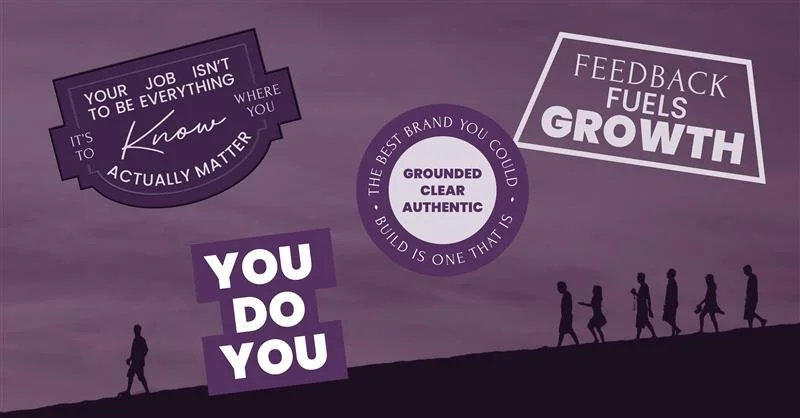
Clarity over complexity. As Peter Drucker put it, “Management is doing things right; leadership is doing the right things.” Your job isn’t to be everywhere—it’s to know where you actually matter.
Feedback fuels growth. Kim Scott’s Radical Candor reminds us that caring personally and challenging directly aren’t opposites—they’re obligations. Fear kills innovation faster than failure.
Serve, don’t signal. Simon Sinek said, “Leaders eat last.” Translation: The true flex isn’t your latest keynote—it’s the culture you cultivate quietly.
The Real Flex: Fundamentals
The irony is that the more tools we invent, the more timeless the fundamentals become. Integrity. Patience. Clarity. Empathy. Creativity. These don’t trend; they compound.
So, CEOs and CMOs: take a breath, close the tab filled with “Top 100” lists, and remember why you lead. In marketing—and in life—the best brand you can build is the one that’s grounded, clear, and authentic.
Algorithms change every quarter. Leadership character doesn’t.
Focus on YOUR strengths as a leader. YOUR weaknesses. YOUR vision. And forget all the noise from your downtime doomscroll. The key to growth for both you and your brand is to focus on yourself. So…
You do you. The rest will follow.
Check out how we tap into deep cultural insights to connect brands with new audiences here.