
Wall Street Is Doing Fine. Aisle Seven Would Like a Word.
The stock market is up. Investors are optimistic. Financial analysts are discussing economic resilience with the enthusiasm of people who have never had to buy groceries for a family of five.
Meanwhile, somewhere in America, a shopper is staring at a $9 box of cereal and wondering whether it comes with a small equity stake in the company.
Welcome to the American economy, where the numbers on Wall Street and the numbers on your grocery receipt can tell two very different stories.
And for marketers, that disconnect might be one of the most important consumer insights of the year.

The Economy Has a Checkout Line
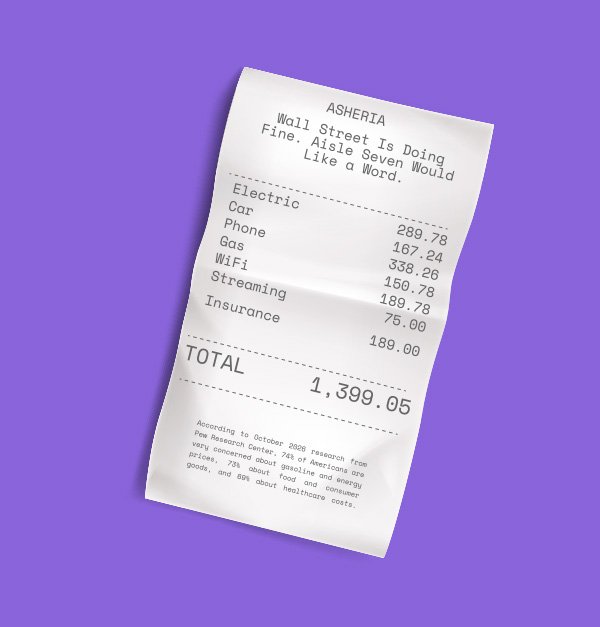
According to October 2026 research from Pew Research Center, 74% of Americans are very concerned about gasoline and energy prices, 73% about food and consumer goods, and 69% about healthcare costs.
By comparison, only 21% are very concerned about stock-market performance.
Apparently, the average American is more concerned about keeping the lights on than whether their investment portfolio is properly diversified.
Who knew?
But there's a larger lesson here. Consumers don't experience the economy through charts, indexes, or quarterly earnings calls. They experience it through a thousand small financial decisions.
Can we afford dinner out? Should we buy the larger package? Is the generic version just as good? Do we really need another streaming subscription?
And perhaps the most painful question of all: When did ordering pizza become a special occasion?
Your Biggest Competitor Might Be the Electric Bill
Here's something brands should consider: Your competition isn't necessarily who you think it is.
That $12 premium snack isn't just competing with the $7 alternative. It's competing with a tank of gas, next week's groceries, a medical copay, and everything else demanding a piece of the household budget.
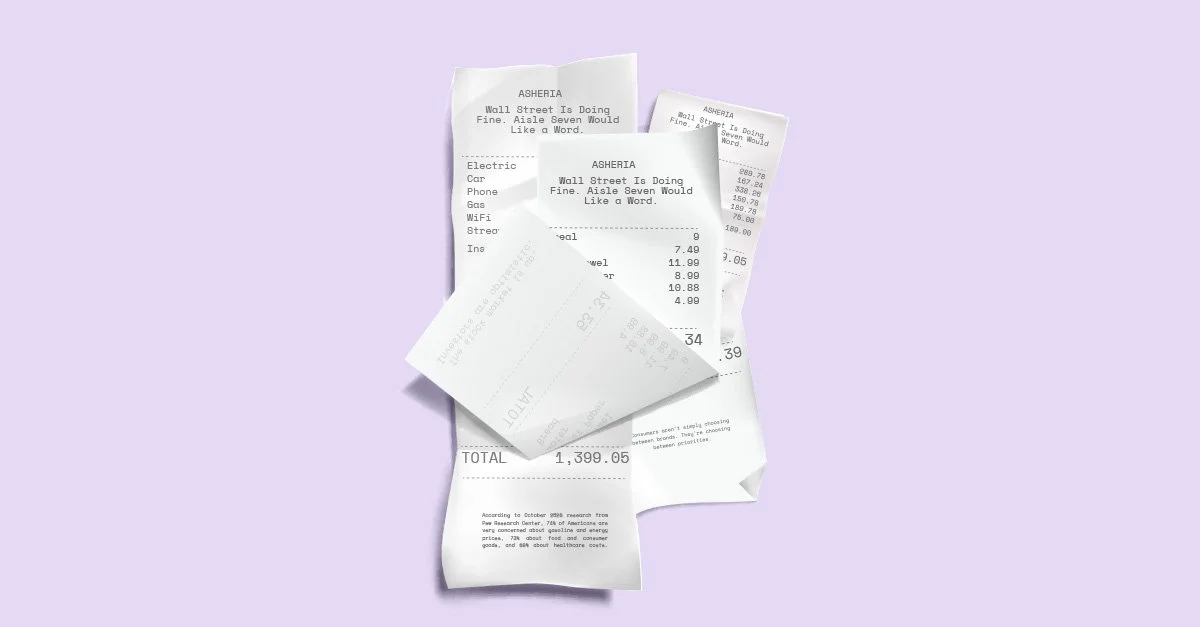
Consumers aren't simply choosing between brands. They're choosing between priorities.
Which means a brand can have beautiful packaging, an award-winning campaign, and a celebrity spokesperson with suspiciously perfect teeth, yet still lose to the electricity bill.
Not because the marketing failed.
Because the product didn't make a compelling enough case for belonging in someone's increasingly crowded budget.
That's a different marketing challenge. And it requires a different kind of thinking.

Value Is in the Eye of the Bill Payer
When consumers feel financial pressure, marketers tend to reach for the same playbook: discounts, promotions, and enormous yellow graphics screaming "SAVE!"
Sometimes that's exactly what people need.
But value isn't always synonymous with cheap.
For a working parent, a slightly more expensive product that saves 30 minutes preparing dinner might be worth every penny. For a multigenerational household, a larger package that feeds more people could be the smarter purchase. For someone shopping for ingredients tied to a family tradition, a familiar brand might be one of the last things they're willing to compromise on.
These are fundamentally different definitions of value.
And they can't always be understood by looking at income brackets or demographic profiles alone.
You have to understand how people live.
Stop Selling the Dream. Start Helping People Live It.

There's nothing wrong with aspirational marketing. People still want beautiful homes, memorable vacations, delicious food, and lives that look marginally more organized than their kitchen junk drawers.
But when everyday expenses dominate economic anxiety, aspiration without empathy can feel remarkably tone-deaf.
Imagine a grocery brand demonstrating how its products can create five affordable family meals instead of simply telling consumers to "elevate their everyday."
Or a household brand proving its product lasts twice as long rather than vaguely promising a "premium experience."
Or a retailer recognizing that convenience isn't a luxury for a parent juggling two jobs. It's a necessity.
The opportunity isn't to remind consumers that times are tough. Trust us, they've noticed.
It's to make life a little easier, more affordable, or more enjoyable without asking people to pretend money isn't an issue.
The Real Economy Is Personal
This is where cultural understanding becomes especially important.
Financial pressure doesn't look identical across households. Family structures, cultural traditions, shopping habits, community obligations, and definitions of necessity all influence where people spend and where they save.
At Asheria, we believe the most meaningful marketing starts with understanding those differences. Not simply what consumers purchase, but why certain purchases matter, what they're unwilling to sacrifice, and how brands can create genuine value within their everyday lives.
Because while economists debate whether the economy is thriving, struggling, or somewhere in between, consumers are conducting their own economic analysis every time they reach the checkout.
And they have a remarkably simple way of measuring performance.
Can I afford this? And is it worth it?
Wall Street might have its answer.
Aisle Seven has another.
Check out how we tap into deep cultural insights to connect brands with new audiences here.