
How To Become Chinese: A Marketer’s Guide To “Chinamaxxing”
Before we begin, let’s clarify what “becoming Chinese” is not.
It’s not a sudden wave of Americans renouncing capitalism to study dynastic history while eating soup dumplings in silence. It’s not a geopolitical movement. It’s not cultural conversion. And despite what some corners of the internet might suggest, drinking warm water in the morning does not automatically qualify you for citizenship in China.
What people are calling “Chinamaxxing” is something far softer, stranger, and honestly more revealing.
It’s aesthetic. It’s wellness-coded. It’s emotional.
It’s younger Americans boiling pears, swapping iced coffee for green tea, trying tai chi-inspired movement routines, and romanticizing slower mornings—not because they’re deeply studying Traditional Chinese Medicine, but because they’re exhausted.
And that distinction matters.
Because this trend says less about China “winning” culture… and more about Americans desperately searching for relief from hyper-optimized living.
The End of Wellness as Performance Art
For the better part of a decade, wellness culture felt like an Olympic sport.
Wake up at 4:30 AM.
Cold plunge.
Track your REM sleep.
Take fourteen supplements recommended by a podcast host with suspiciously shiny teeth.
The entire vibe was: optimize harder.
But increasingly, younger consumers seem less interested in becoming productivity machines and more interested in becoming… regulated human beings.
That’s where trends like Chinamaxxing enter the chat.
Many of the rituals associated with it are notably warm, repetitive, analog, slow and low-tech.
Warm water. Tea rituals. Herbal soups. Stretching slowly instead of pretending your Pilates class is a Navy SEAL selection process.
In other words: softness is having a moment.
From “Immigrant Habit” to Wellness Trend
One of the more interesting cultural shifts happening online is how practices once dismissed as “old-world” or “strict immigrant parent behavior” are suddenly being reframed as aspirational wellness.
For years, many children of immigrant households grew up hearing:
“Drink warm water.”
“Don’t sleep with wet hair.”
“Have soup.”
At the time, these were framed less as wellness and more as things your aunt yelled at you before handing you fruit in a ziplock bag.
Now?
TikTok has discovered “intentional warmth.”
Amazing what happens when you put ambient music behind it.
But beneath the humor is a real behavioral insight: younger consumers are increasingly drawn toward rituals that feel emotionally grounding rather than performatively optimized.
The Aesthetics of Balance
To be clear, most people participating in this trend are not deeply studying Chinese philosophy or medicine. Social media has a habit of flattening complex traditions into digestible lifestyle content.
That doesn’t invalidate the trend.
If anything, it highlights how modern internet culture works:
people take emotionally resonant pieces of older traditions and repurpose them into contemporary self-care.
And right now, “slow” is resonating.
Not because it’s Chinese.
Because it feels sustainable.
What Brands Should Learn From This
Warmth Is the New Luxury
Consumers are increasingly gravitating toward brands that feel calming, restorative, and emotionally intelligent—not aggressively aspirational.
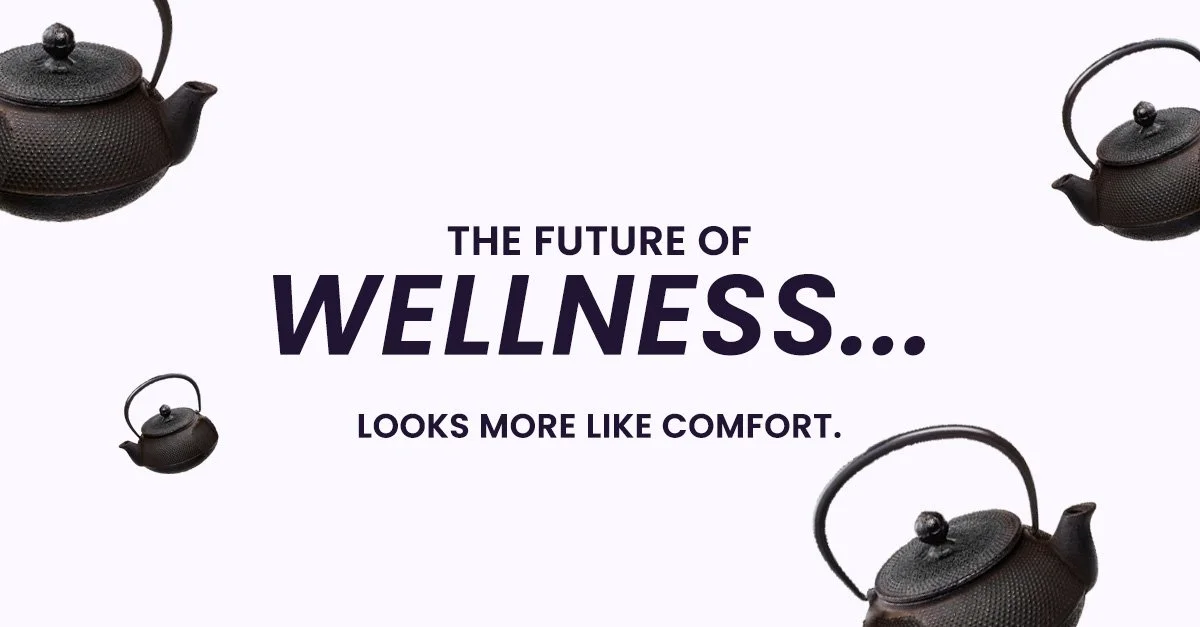
The future of wellness may look less like optimization… and more like comfort.
Rituals Build Stronger Brands
The most powerful brands aren’t just selling products anymore. They’re creating rituals.
Tea brands. Skincare routines. Slow cooking. Journaling. Intentional mornings.
Consumers are craving rhythm in a culture that feels permanently overstimulated.
Don’t Force “Culture.”
This is important.
Brands shouldn’t treat Chinamaxxing as an excuse to suddenly throw jade green packaging on everything and call it strategy.
Consumers are smarter than that.
The brands that resonate here will be the ones that understand why these behaviors appeal emotionally—not just what they look like aesthetically.
Where We Come In
At Asheria, cultural marketing has never been about trend-chasing.
It’s about understanding the emotional undercurrents behind behavior. Why certain rituals resonate. Why certain aesthetics emerge. Why consumers suddenly decide that drinking hot water feels revolutionary.
As a multicultural agency led by perspectives that live between cultures every day, we help brands identify not just what’s trending—but what it means.
Because the future of marketing may not belong to the loudest brands.
It may belong to the ones that make people feel grounded.
Check out how we tap into deep cultural insights to connect brands with new audiences here.