
Consistency is Out, Culture is In: A Message for Big Businesses
For decades, brands like Starbucks, McDonald's, Target, Walmart, Barnes & Noble, Marriott, and Apple built their reputations on one simple promise:
No matter where you go, you know exactly what you're going to get. That consistency built trust. It built recognition. It built some of the biggest companies on the planet.
But here's the thing.
Consistency doesn't have to mean every location feels exactly the same. In fact, we're starting to see consumers gravitate toward businesses that feel rooted in the places they call home—or the places they're visiting.
That's why one of the biggest travel trends of 2026 isn't luxury hotels or rooftop restaurants.
It's... grocery stores.
When Grocery Stores Become Tourist Attractions
Travelers are intentionally visiting neighborhood supermarkets to experience local culture. They're wandering grocery aisles in Tokyo. They're stopping at Fortnum & Mason in London. They're filling suitcases with snacks and spices that tell a story about the people who live there.
Think about that for a second.
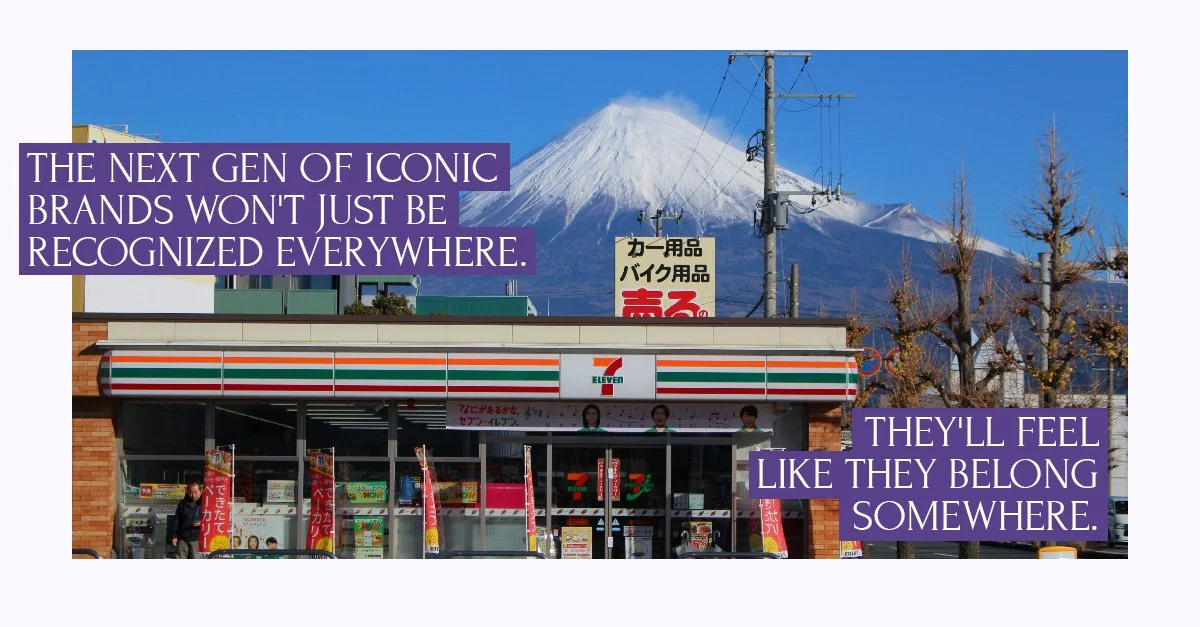
A convenience store. Not because it has better coffee. Not because it has better prices. Because it feels unmistakably Japanese. Ordinary businesses are becoming landmarks because they reflect the communities around them.
And that should get the attention of every national and global brand.
The Last Blockbuster Is More Important Than the First
The first Blockbuster changed entertainment. The last Blockbuster changed nostalgia.
People don't fly to Bend, Oregon because they're desperate to rent a DVD. They go because that little blue-and-yellow storefront preserves a cultural moment that millions of people remember.
It isn't famous because it's unique. It's famous because it's authentic.
The same lesson applies to countless businesses around the world. People aren't looking for another generic experience. They're looking for a place that couldn't exist anywhere else.

Clearwater Beach Shouldn't Feel Like North Dakota
Let's pick on Barnes & Noble for a minute.
If you walked into one in Clearwater Beach, Florida, should it really feel identical to one in Williston, North Dakota?
Probably not.
One location should practically smell like sunscreen, ocean air, and beach reads. The other might celebrate local history, prairie landscapes, outdoor culture, or regional authors.
The books don't need to change.
The soul of the store can.
This isn't about abandoning your brand standards. It's about recognizing that every community already has a personality. Why not let your locations reflect it?
Consistency Builds Trust. Culture Builds Destinations.
For years, businesses have chased consistency because it scales. And it absolutely should. Customers should still expect the same quality, products, and service whether they're shopping in Seattle or Singapore.
But experience? Experience is where local culture should shine.
Imagine Starbucks collaborating with neighborhood artists.
Imagine Target highlighting local makers.
Imagine Marriott properties telling the story of the city they're in instead of looking like they were copied and pasted from another airport exit.
The strongest brands don't lose themselves when they embrace local culture.
They become more memorable because of it.
The Future Belongs to Brands That Feel Like They Belong
Consumers are increasingly searching for authenticity over uniformity.
They want places that tell stories.
Places that reveal something about the communities they're in.
Places worth talking about long after they've left.
That's why grocery stores are becoming travel destinations.
It's why the Last Blockbuster became a pilgrimage. It's why a convenience store with Mount Fuji in the background became one of Japan's most photographed locations.
None of these businesses tried to become icons. They simply reflected the culture around them. Maybe that's the lesson. The next generation of iconic brands won't just be recognized everywhere. They'll feel like they belong somewhere.
At Asheria, we believe culture isn't a layer you add to a campaign. It's something you uncover, celebrate, and build with. When brands embrace the communities they serve instead of flattening them into sameness, they don't just create better marketing.
They create places people actually want to visit.
Check out how we tap into deep cultural insights to connect brands with new audiences here.