
Every Bite Counts: A Playbook for Food Brands for the GLP-1 Era
For decades, the food industry operated under one beautiful, greasy assumption:
If consumers had room for one more bite, someone would find a way to sell it to them.
Supersize it.
Stuff the crust.
Add the bacon.
Offer the "family size" bag that somehow disappears during one episode of The Bear. More wasn't just a strategy. It was the business model. Today, that model is being challenged.
Yep, GLP-1 medications are changing how millions of Americans eat. But focusing solely on the prescription misses the bigger story. The food industry isn't witnessing a pharmaceutical trend. It's witnessing a cultural shift toward intentional eating—one that inflation, wellness, and changing consumer priorities had already set in motion.
Consumers aren't simply eating less.
They're asking more of every bite.
The Market Is Bigger Than the Medicine Cabinet
The biggest mistake brands can make is assuming this conversation only applies to people taking GLP-1 medications.
It doesn't.
According to Circana, current users account for about 10% of U.S. adults, but when you include people considering the medication, former users, and those who regularly live, shop, or dine with someone taking one, nearly 60% of Americans fall somewhere within the broader GLP-1 footprint. The influence extends well beyond the prescription bottle.
Think about it this way.
When one person in the household starts eating differently, everyone else starts buying differently.
The grocery cart changes before the market share does.
Eating Habits Spread Faster Than Prescriptions
Food has never been an individual sport.
One family member starts prioritizing protein.
Suddenly the refrigerator looks like it belongs to a personal trainer.
Greek yogurt multiplies.
Eggs disappear faster than ever.
Someone buys a five-pound tub of protein powder that occupies permanent real estate on the kitchen counter.
Circana found that households exposed to GLP-1 users are significantly more likely to cook at home, purchase protein-rich foods, notice smaller portions, and have conversations about weight and nutrition.
Behavior spreads through households long before it shows up in quarterly earnings reports. The smartest brands will pay attention to the dinner table before they study the dashboard.
Consumers Aren't Eating Less. They're Editing.
This may be the most important insight in the entire conversation. Consumers aren't becoming smaller eaters. They're becoming tougher editors.
Every meal, snack, and impulse purchase now faces a different question:
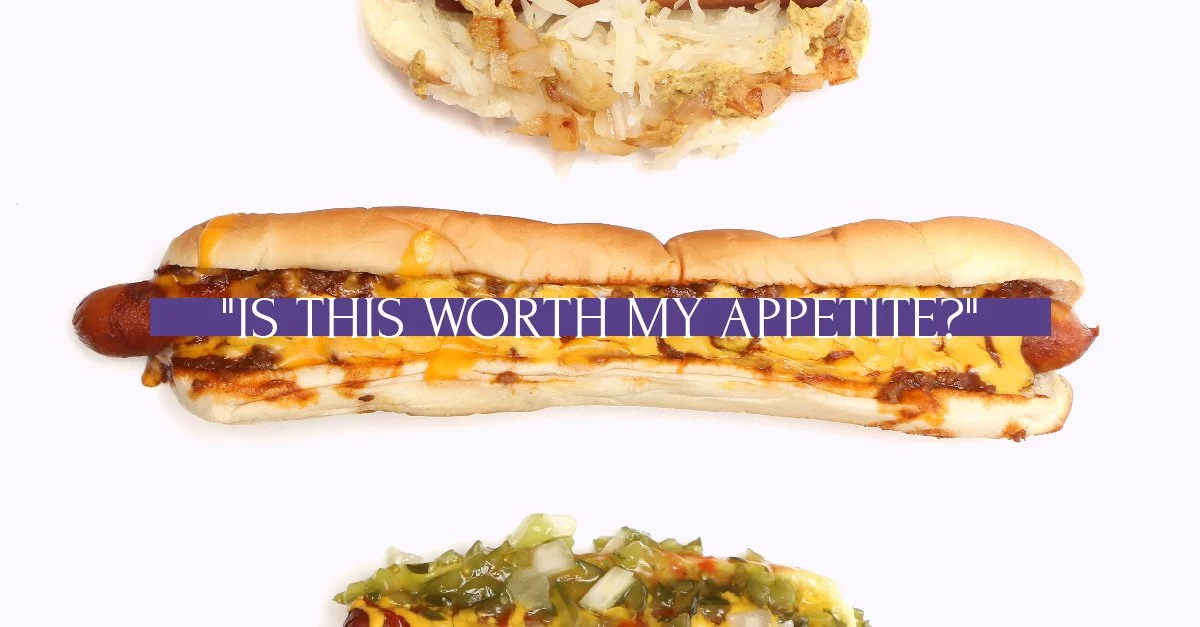
"Is this worth my appetite?"
That's a fundamentally different buying mindset.
Yesterday's competition looked like this:
"Should I buy Brand A or Brand B?"
Today's competition often looks like this:
"Do I even want this?"
That's a much harder battle to win.
Consumers taking GLP-1 medications report feeling full faster, thinking about food less often, and losing interest in foods they once regularly enjoyed.
Every product is now competing not only against another brand—but against satisfaction itself.
Protein Is Becoming the New Definition of Value
For years, food brands defined value in familiar ways:
More ounces.
More servings.
More chips in the bag.
Today, value is increasingly measured differently.
More protein.
More nutrients.
More satiety.
More function.
Consumers are gravitating toward fresh produce, protein-forward snacks, yogurt, eggs, bottled water, electrolyte beverages, and other functional foods while reducing purchases of sugary drinks, candy, and heavily processed products.
Protein, in particular, has become more than a nutrition claim.
It's become shorthand for quality.
When consumers have fewer eating occasions, they expect each one to accomplish more.
The Food Industry Has a New Competitor: "I'm Good, Thanks."
This is where things get interesting. Historically, food brands competed against each other. Now they're competing against restraint.
Against fullness.
Against consumers who are perfectly content stopping after half a sandwich.

That changes everything.
Fast food.
Candy.
Impulse snacks.
Sugary beverages.
None of these categories are disappearing.
But every category now has to work harder to justify its place.
Circana estimates that households influenced by GLP-1 medications could represent 35% of all U.S. food and beverage unit sales by 2030, making this one of the most significant consumer behavior shifts the industry has faced in decades.
GLP-1 Didn't Create This Consumer
One of the biggest misconceptions surrounding GLP-1 is that it's creating entirely new eating behaviors.
The research suggests otherwise.
Inflation had already encouraged consumers to scrutinize every grocery receipt. Wellness trends had already elevated protein, gut health, hydration, and functional nutrition.Consumers were already asking tougher questions about ingredients, value, and long-term health.
GLP-1 simply accelerated a mindset that was already taking shape.
Even motivations for using these medications have evolved beyond aesthetics. Consumers are far more likely to cite living longer, improving health, increasing energy, or addressing medical conditions than looking better in photos. Doctors remain the strongest influence, while celebrity endorsements barely register.
This isn't about vanity.
It's about longevity.
Consumers Have Smaller Appetites. Brands Need Bigger Ideas.
The instinct for many brands will be to launch an entirely new product line.
That may not be necessary.
The opportunity may lie in helping consumers see existing products through a different lens.
Lead with protein.
Highlight satiety.
Talk about function instead of indulgence.
Design packaging for households, not just individuals.
Help consumers understand how your product fits into a more intentional lifestyle.
Sometimes the smartest innovation isn't inventing something new.
It's recognizing that your customer has changed before your product has.
The New Playbook
The biggest lesson isn't about GLP-1.
It's about scarcity.
Consumers have always had limited money.
Now many feel they also have limited appetite.
That means every purchase competes for two increasingly precious resources: wallet space and stomach space. The brands that thrive won't simply make bigger portions, louder claims, or flashier packaging.
They'll make consumers feel that every bite delivers something meaningful.
Because in the GLP-1 era, products aren't just competing for shelf space anymore.
They're competing for permission to be one of the few bites that truly counts.
Why Listen To Us?
At Asheria, we don't just follow consumer trends, we study the cultural shifts that create them.
Our experience across food, beverage, and CPG has taught us that the biggest opportunities rarely come from chasing headlines. They come from recognizing changing behaviors before they become changing sales. As the GLP-1 era reshapes how consumers define value, we're helping brands build strategies designed not just for today's shopper, but for tomorrow's.
Check out how we tap into deep cultural insights to connect brands with new audiences here.