
Just when marketers thought they had Gen Z figured out, the generation that brought us TikTok dances, de-influencing, and an impressive ability to diagnose toxic relationships in 30-second videos has thrown us another curveball.
They're finding religion.
And somewhere, a marketing executive is already pitching a branded baptism experience with an exclusive influencer gifting suite.
Please. For the love of all things holy. Don't.
According to recent research from The Harris Poll, 33% of Gen Z identify as religious, compared with just 18% of Baby Boomers. And only 19% identify as neither religious nor spiritual, the lowest share of any generation surveyed.
That's a pretty interesting development for a generation often characterized as skeptical of institutions, suspicious of authority, and generally unimpressed by anyone telling them what to believe.
But here's where things get particularly fascinating: Gen Z isn't necessarily choosing between organized religion and personal spirituality. They're exploring both, sometimes simultaneously.
Sunday Mass and manifestation. Shabbat clubs and tarot cards. Ancient traditions and modern interpretations of mindfulness.
Call it spiritual multitasking.
And before someone develops an app to optimize it, perhaps we should consider what's actually happening.
When Everything Is Connected, Why Does Everyone Feel Disconnected?
Gen Z has grown up with unprecedented access to information, entertainment, and other people. They can connect with someone halfway around the world in seconds, find answers to almost any question, and receive unsolicited life advice from approximately 14,000 strangers before breakfast.
Yet access to connection isn't necessarily the same as experiencing belonging.
The Harris Poll offers another revealing insight: Only 27% of Gen Z feel in control of the country's direction, while 76% feel in control of their own lives.
That contrast suggests something important.
When the larger world feels unpredictable, people may seek meaning, structure, and agency in the parts of life they can influence.
Faith and spirituality can offer precisely that. So can rituals, shared traditions, and communities built around something more meaningful than a mutual appreciation for overpriced matcha.
And that's where this becomes a cultural marketing story.
Not Every Cultural Moment Needs Your Logo
Marketers are trained to identify emerging behaviors and ask how brands can participate.
Sometimes that's smart. Other times, it's how we end up with corporations attempting to turn deeply personal experiences into limited-edition merchandise.
Imagine a bank launching a "Manifest Your Financial Freedom" campaign. Or an energy drink sponsoring a sunrise meditation session with the tagline "Find Your Inner Beast."
Actually, please don't imagine that too enthusiastically. Someone might approve the budget.
The lesson isn't that brands should avoid spirituality altogether. Faith, tradition, and community have always shaped consumer behavior, particularly across multicultural audiences.
The lesson is that understanding a cultural movement doesn't automatically give a brand permission to insert itself into it.
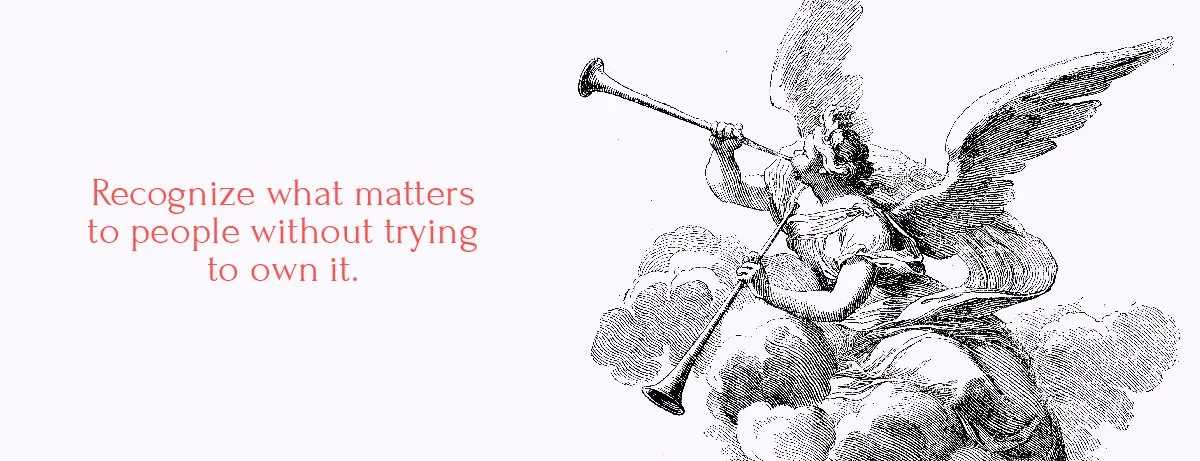
Sometimes the most culturally intelligent thing a marketer can do is recognize what matters to people without trying to own it.
Belonging Might Be More Powerful Than Being Different
For years, marketers have encouraged younger consumers to stand out, break rules, express themselves, and celebrate their individuality.
All perfectly reasonable advice.
But Gen Z's growing spiritual curiosity points toward another powerful human desire: belonging to something bigger than ourselves.
That doesn't mean brands need to start hosting prayer circles in the break room.
It means thinking more seriously about the communities people already participate in, the rituals that structure their lives, and the experiences that bring them together.
A food brand might thoughtfully recognize the importance of meals shared during religious holidays. A retailer might better understand the needs of families observing different traditions. A wellness brand might create opportunities for genuine reflection and connection without borrowing sacred practices as decorative props.
The distinction is subtle but essential.
Cultural relevance isn't about attaching your brand to what people believe. It's about understanding how those beliefs shape the way they live.
And there's no universal Gen Z spirituality to market to. Religious traditions, cultural backgrounds, personal beliefs, and community experiences vary enormously. Treating them as one convenient demographic trend would miss the point entirely.
Read the Room. Especially If It's Sacred.
At Asheria, we believe great cultural marketing begins with curiosity, humility, and a willingness to understand people beyond their demographic labels.
Gen Z's spiritual exploration offers a reminder that even the most technologically immersed generation still seeks meaning, connection, and belonging.
Brands that recognize those needs can create more thoughtful experiences and build stronger relationships.
But there's a difference between supporting a community and treating it as an untapped marketing channel.
Not every meaningful moment needs a hashtag. Not every tradition needs a sponsorship. And not every cultural movement is waiting for a brand to show up with a step-and-repeat.
Sometimes the smartest way to participate in culture is to understand when you're not the main character.
Amen to that.
Check out how we tap into deep cultural insights to connect brands with new audiences here.